How can mentoring help kids with anxiety or social challenges?
Anxiety and social challenges are increasingly common among children and teens. From academic pressure and social media to the lasting effects of the pandemic, many young people feel overwhelmed. What we are learning is that mental well-being is deeply connected to relationships.
Kids thrive when they have consistent, supportive connections with their peers and with caring adults. Today, many of the everyday relationships that once helped young people feel grounded, such as extended family nearby, close-knit neighborhoods and community involvement, are harder to come by. When those connections weaken, kids may feel disconnected or unsure of themselves, which can show up as stress, worry or anxiety.
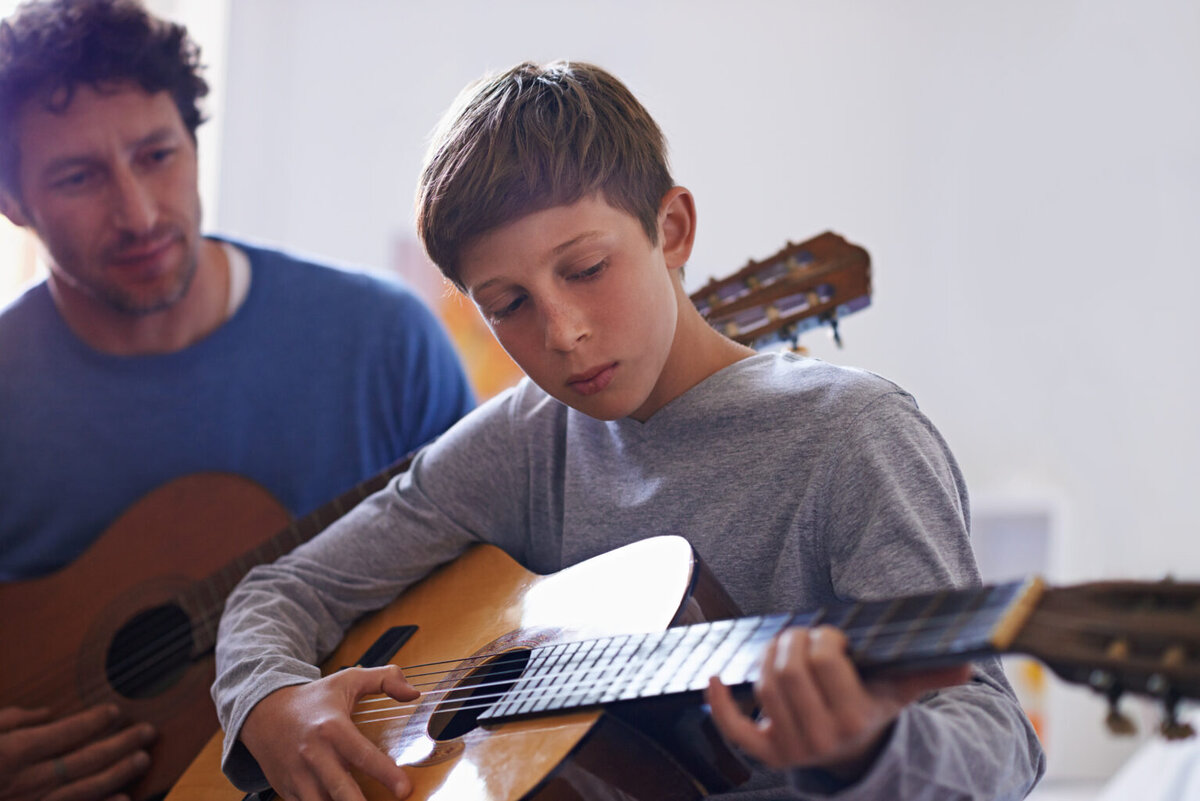
That’s where mentoring comes in. Mentoring offers children something uniquely powerful: a steady, trusted adult outside their immediate family. For kids navigating emotional or social challenges, that relationship can provide reassurance, stability and a sense of belonging.
Consider a middle school boy struggling with low confidence, worry and slipping grades. He does not feel comfortable opening up and often questions where he fits in. His mom wants to help but is not sure what support will truly make a difference. She enrolls him, at no cost, in Big Brothers Big Sisters, where he is matched with a Big Brother, a young professional who remembers what it felt like to be his age.
That mentor does not try to fix everything. He simply shows up. He listens. Over time, trust builds. Through regular time together, such as shooting hoops, sharing a meal or talking about school, the young person begins to feel understood and supported. His mentor models healthy ways to manage stress, reinforces the value of school and goal-setting, and helps him see challenges as temporary rather than defining.
For children dealing with anxiety or social difficulties, mentoring offers a safe space to build confidence and emotional resilience. Alongside therapy and school-based resources, it is another tool for families to consider, providing a trusted relationship outside the home that helps kids feel supported and capable.
The benefits of mentoring are well documented. Youth in quality mentoring relationships experience improvements in emotional regulation, confidence, social skills and academic engagement. Mentoring is also preventative. By strengthening relationships early, we help children build resilience that supports long-term mental well-being.
As a mom of two elementary-school-aged boys, I know how difficult it can be to watch your child struggle. Mentoring reminds families that they do not have to face these challenges alone. Sometimes, one steady, supportive relationship can make all the difference.
To learn more about enrolling your child or becoming a mentor, visit ocbigs.org/enroll.

Read the full “Ask the Experts” feature in Parenting OC Magazine